
New York · 2015
Aleph One began as EzeTech in 2015 in New York. For over a decade we've been building digital products, staying at the forefront of modern software development technology.
- 2017
We created the Aleph One website, brand and DBA to align with our client base.
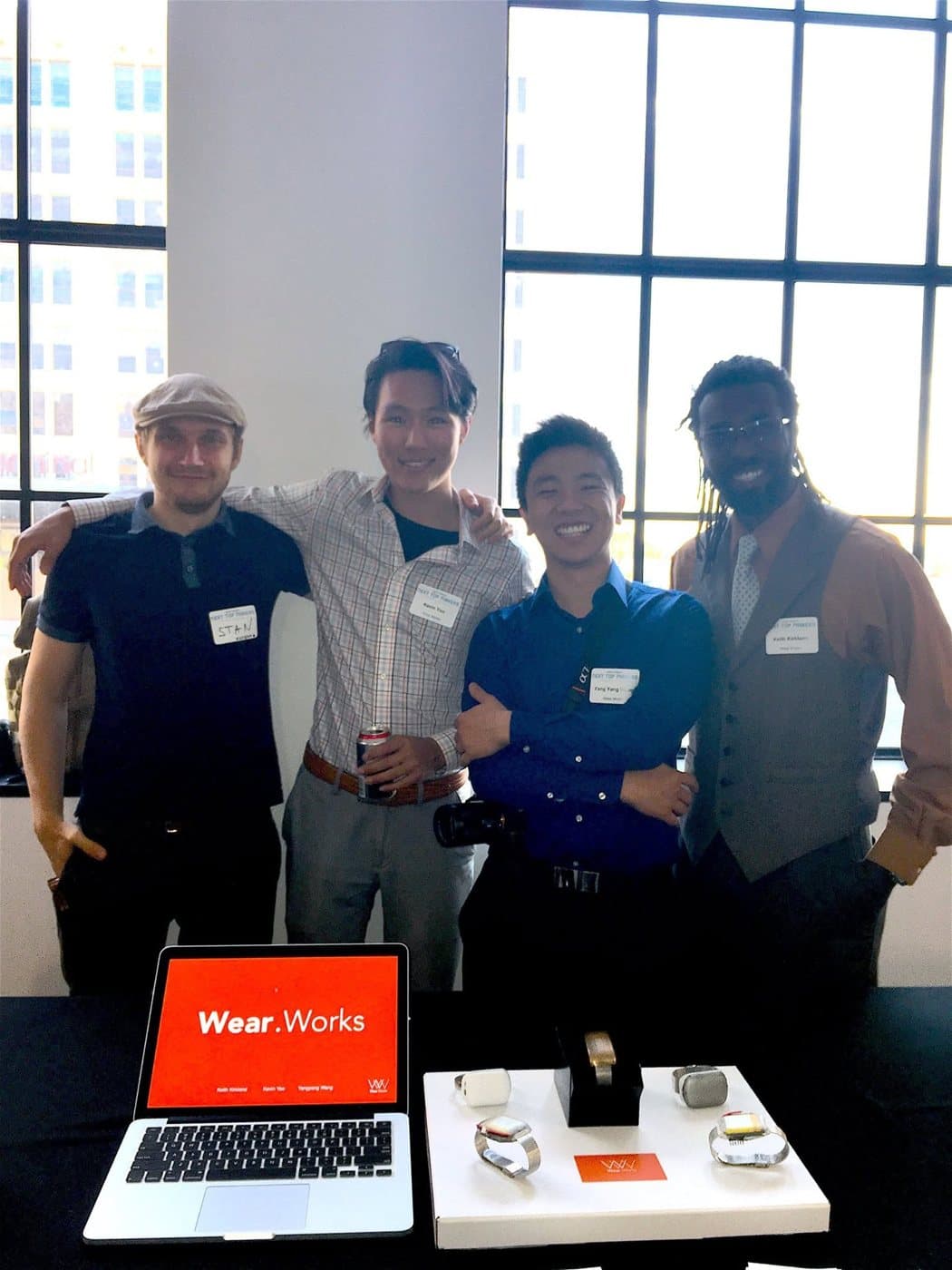
Stanislav Synko gave talks and presentations on blockchain at Harvard Innovation Labs and Rutgers Business School, which established partnerships and a strong network in the fintech industry.
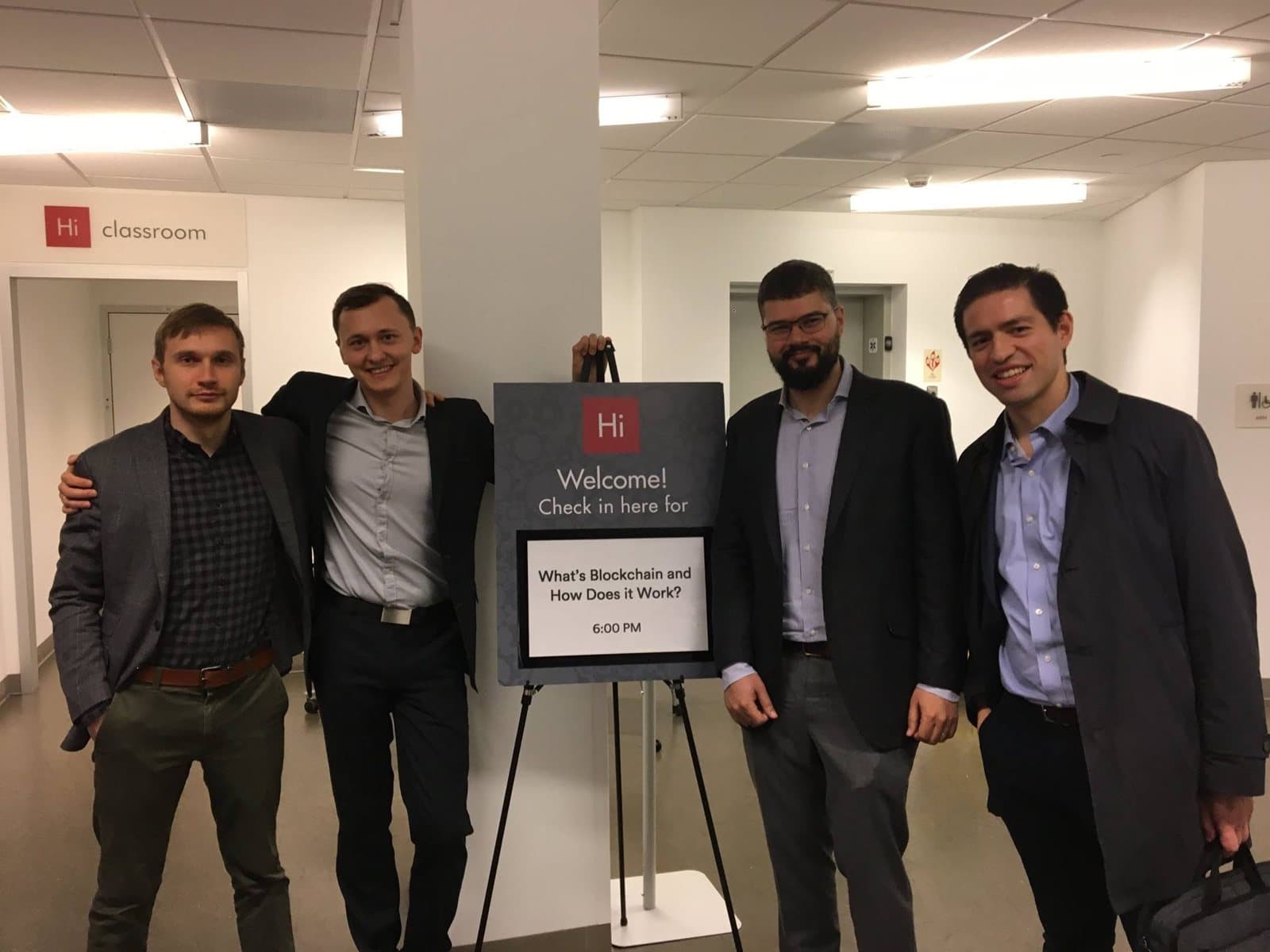
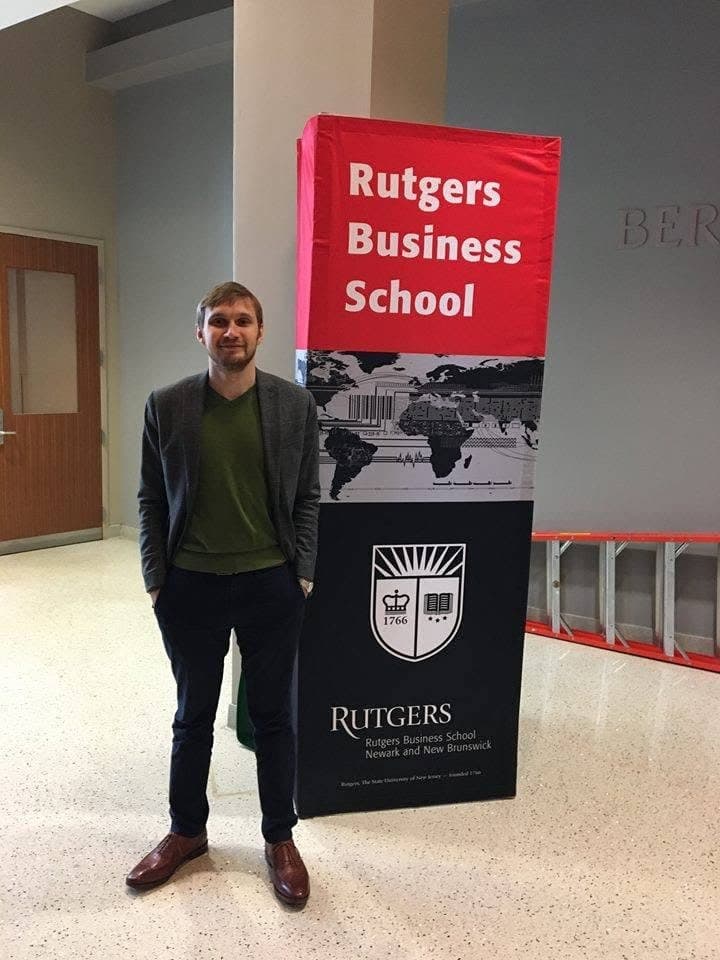
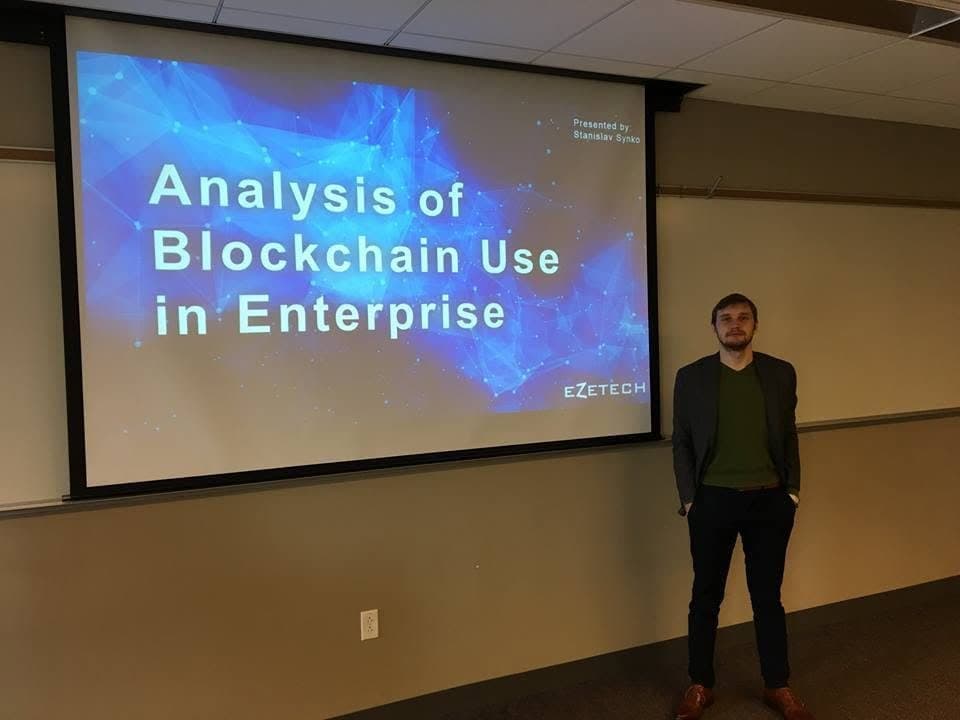
Talks on blockchain at Harvard Innovation Labs and Rutgers Business School, presented as EzeTech
- 2018
We hosted several fintech and software meetups in New York City.
We built relationships with the Swiss fintech startups Taurus and WeCan Group.
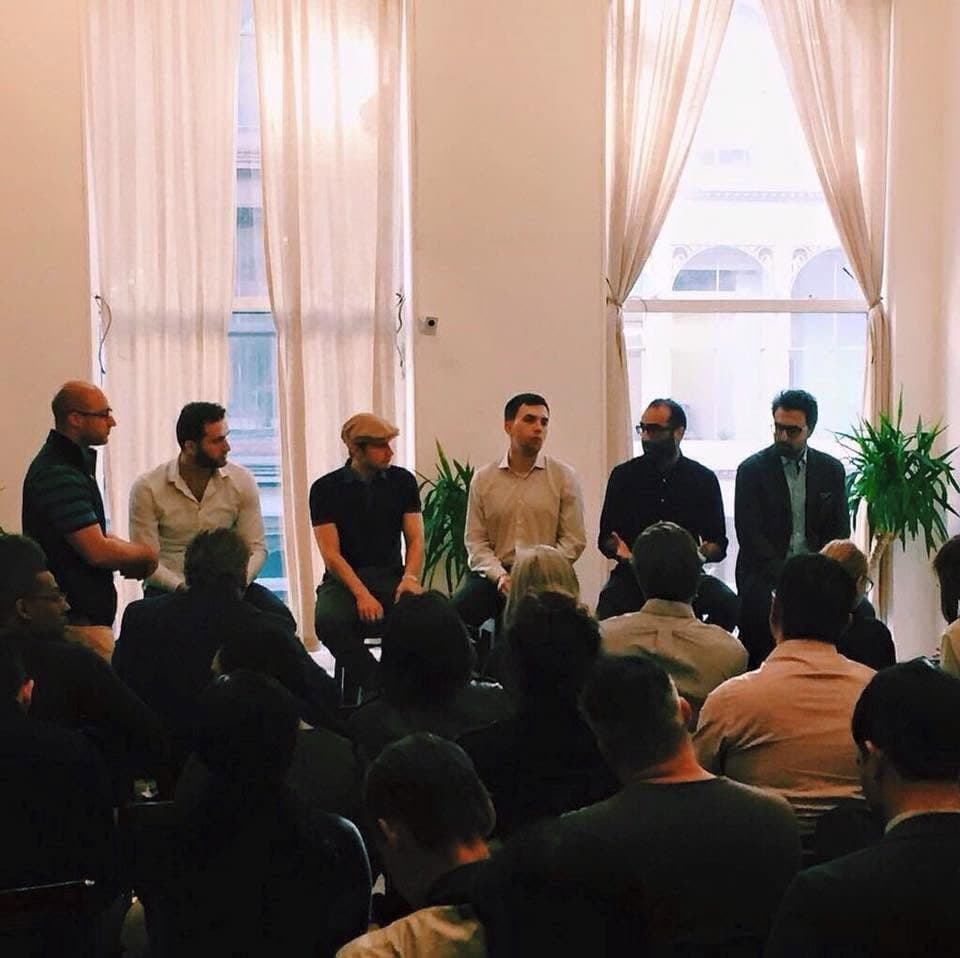
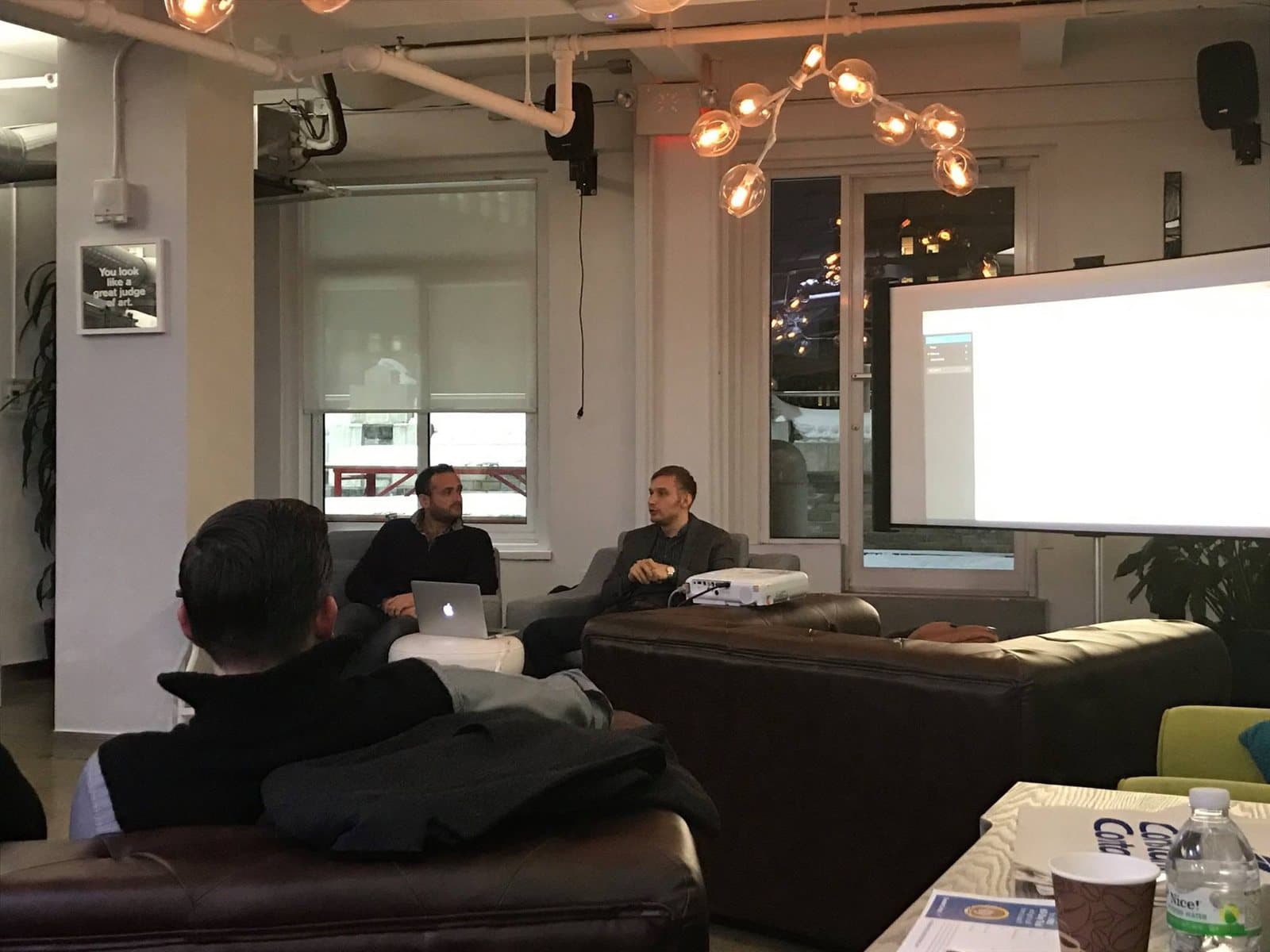
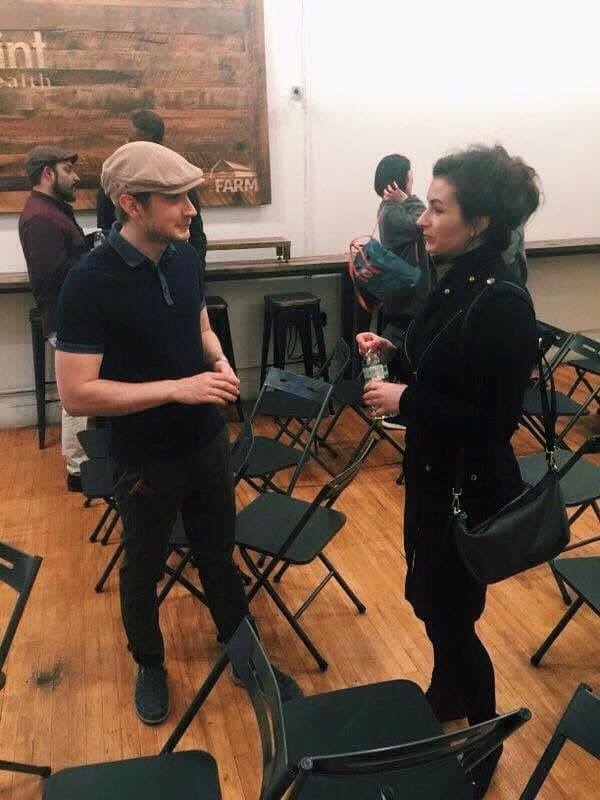
Panels, demos and conversations at fintech and software meetups in New York City
- 2021
Aleph One established a venture fund, adopting a venture studio model and investing in early-stage startups.
- 2022–24
From 2022 to 2024 Aleph One sponsored and took part in San Diego Startup Week, and it remains an active member of the startup community.
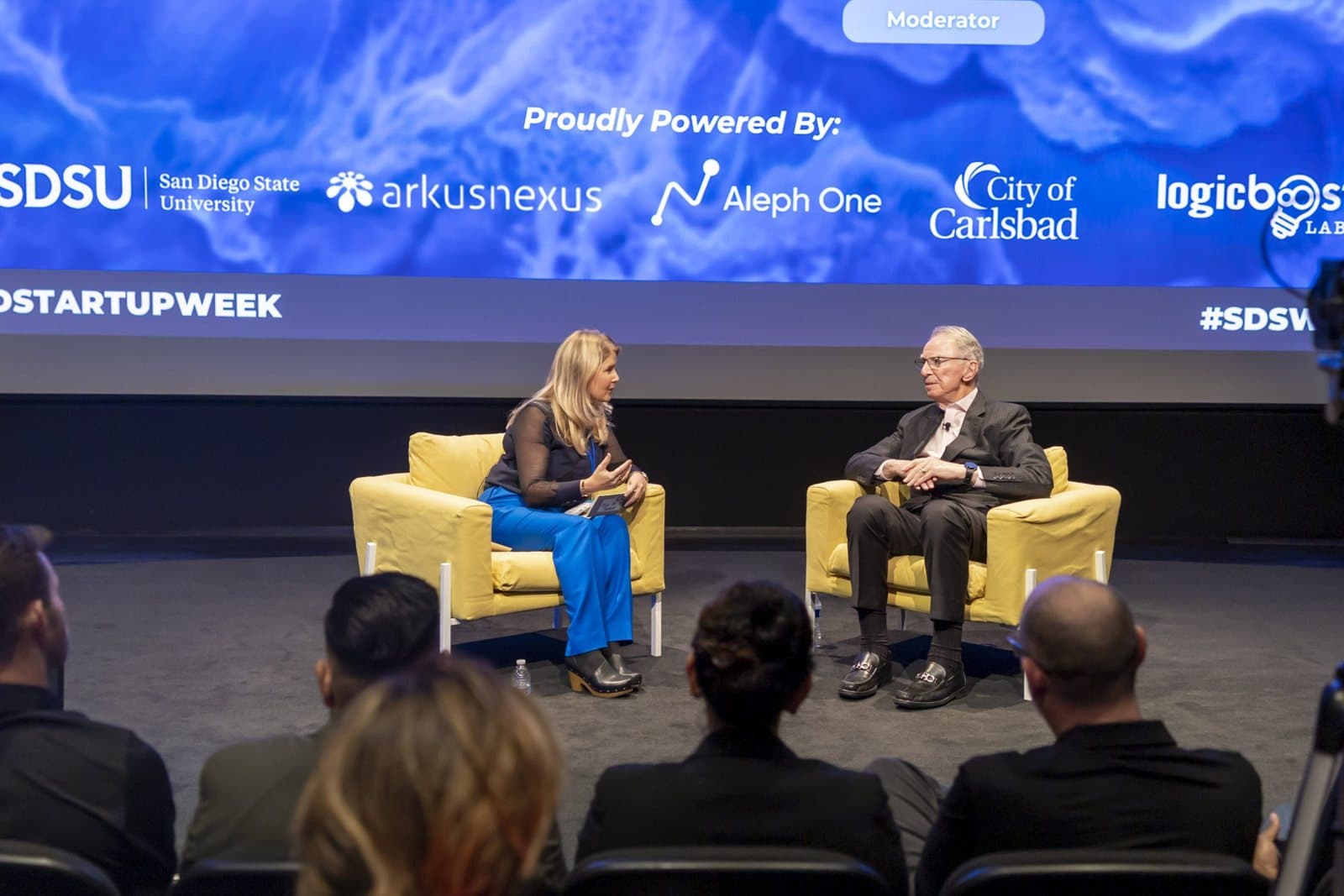
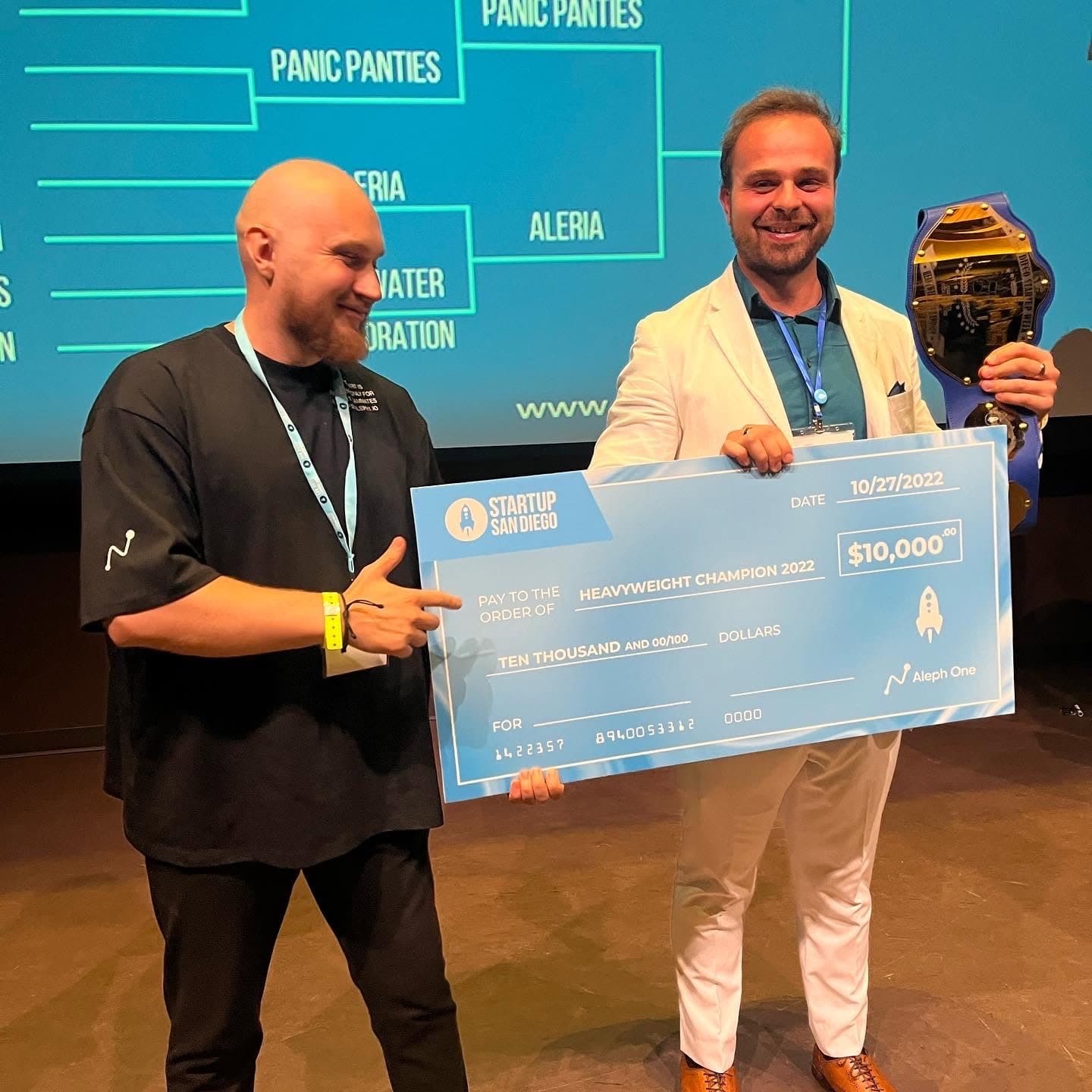
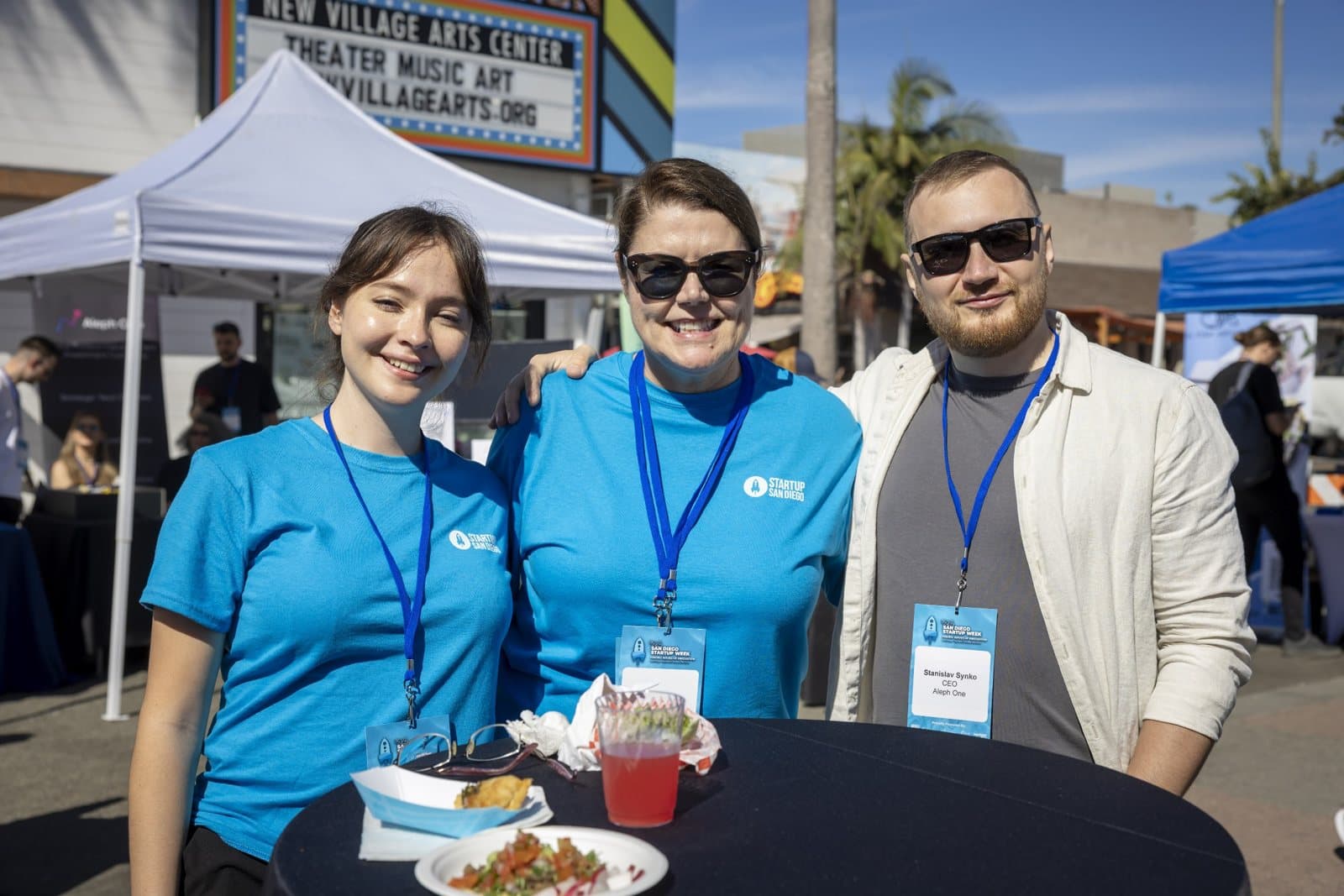
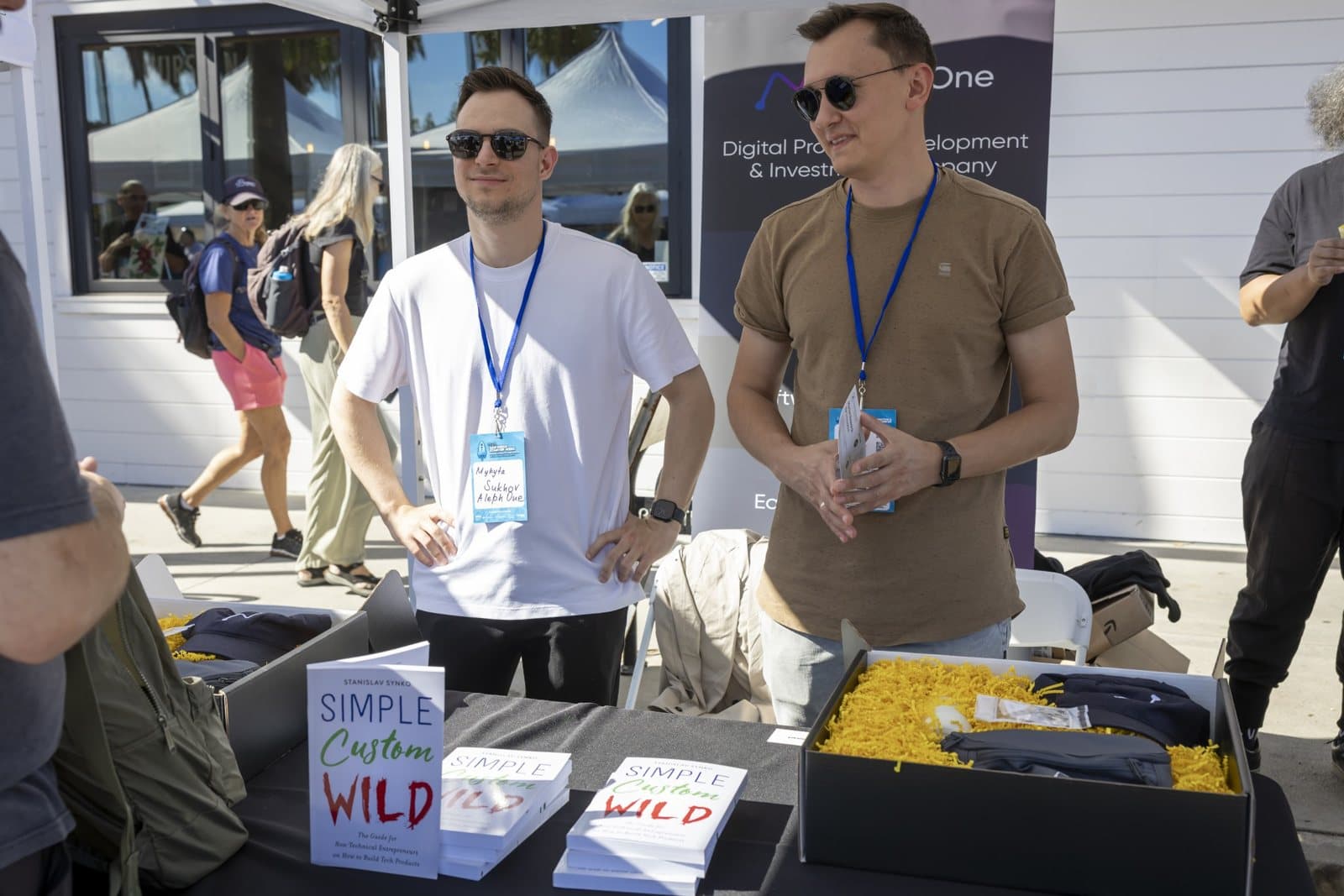
On stage as a sponsor, presenting the $10,000 Heavyweight Champion prize in 2022, with the Startup San Diego team, and at the Aleph One booth
- 2024
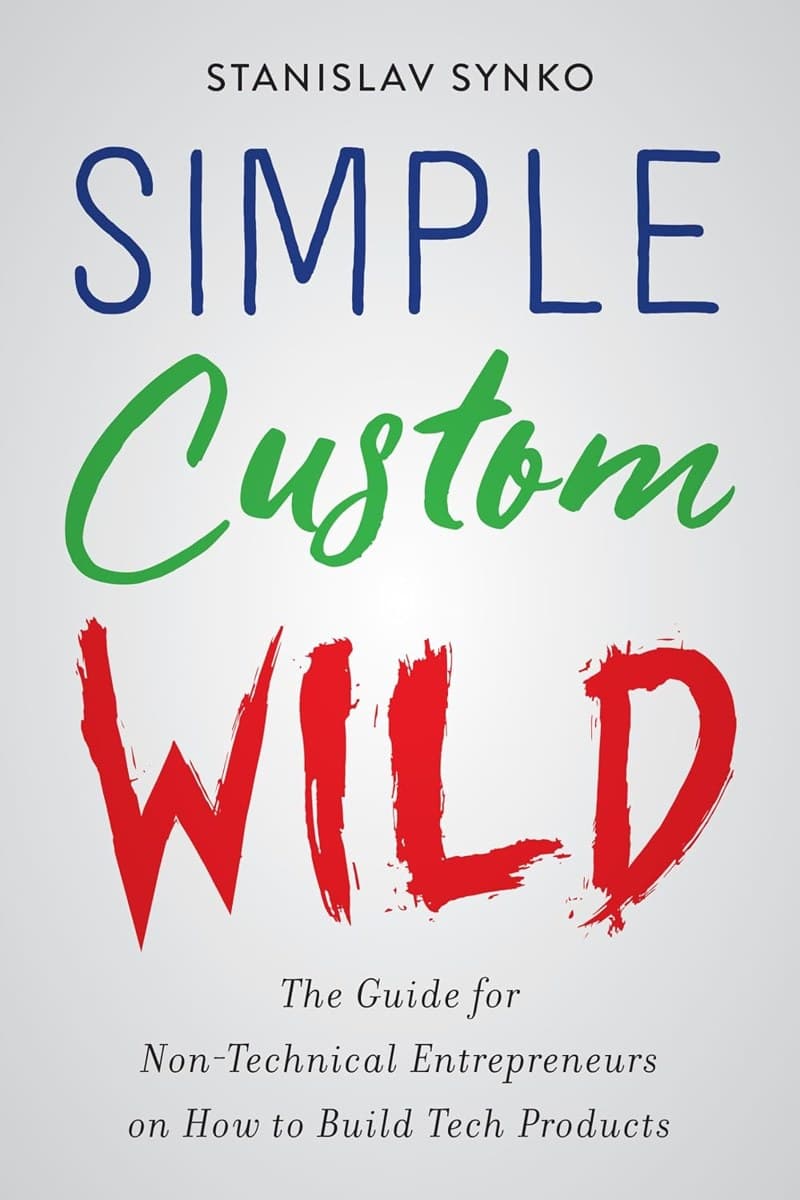
Aleph One CEO Stanislav Synko published Simple Custom Wild, a book that describes the company's view of innovation in the tech industry and its approach to digital product development.
The Guide for Non-Technical Entrepreneurs on How to Build Tech Products
About the book - Today
As LLMs and AI redefine how digital products are created, Aleph One stays at the forefront of technological change, building autonomous agentic workflows, software factories and agentic infrastructure that expand the boundaries of what is possible.
Through over a decade of delivering custom software, one thing has stayed at the core of the company: the culture, values and great talent of our team.
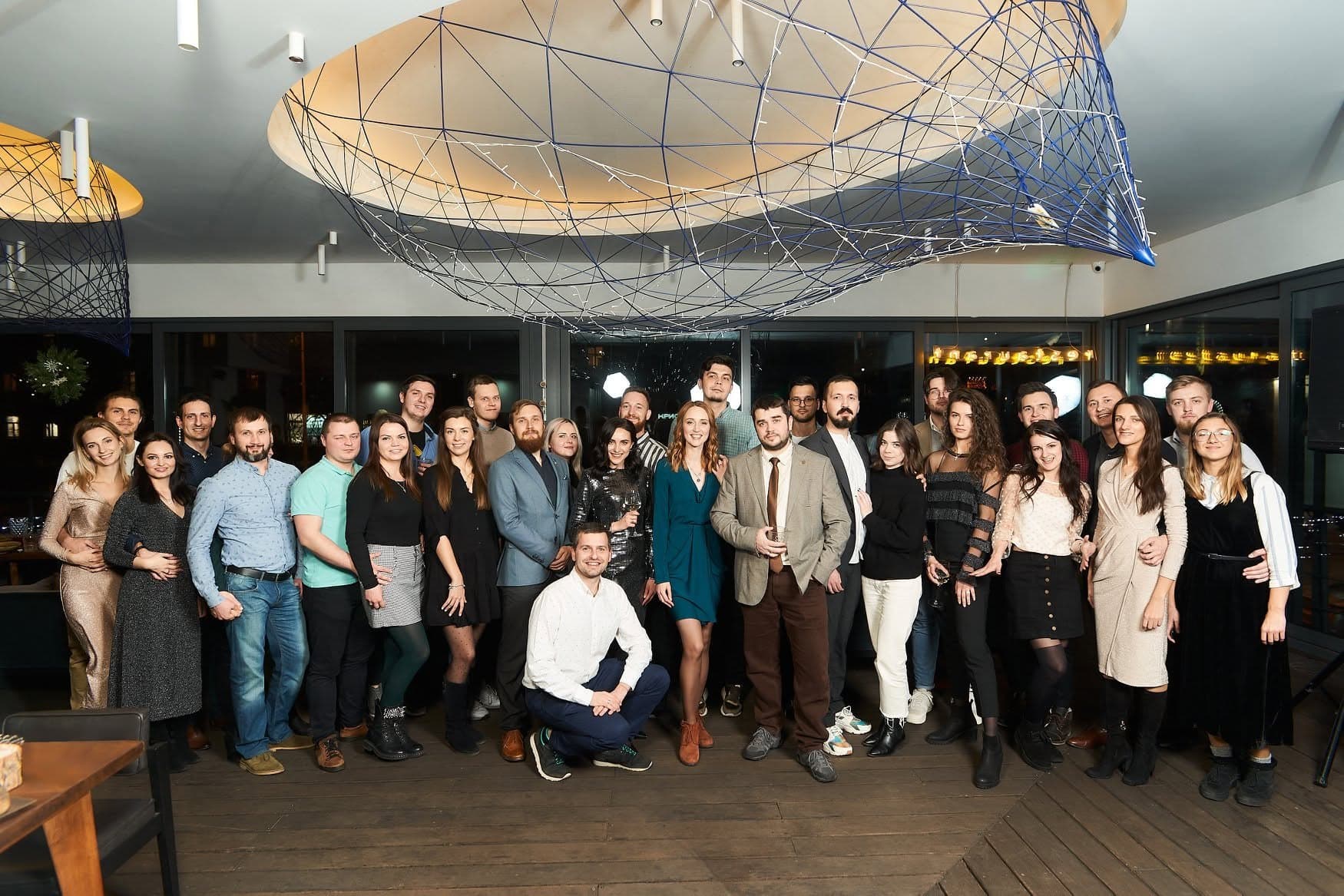
Team moments, workations and everyday life at the studio.
Follow @aleph_one_ on Instagram
Bring us
the hard part.
Complex platforms, overdue rewrites, agentic workflows. That’s the work we enjoy most.